


What Georgia Parents Should Ask Their ABA Team Before School Starts
The right intake questions reveal whether a provider will build a personalized, play-based program around your child’s specific classroom goals, rather than a generic ABA plan.
The right intake questions reveal whether a provider will build a personalized, play-based program around your child’s specific classroom goals, rather than a generic ABA plan.
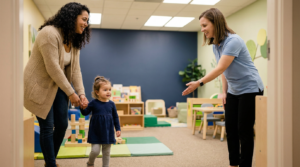
Safety in an ABA center shows up in everyday care: well-trained therapists, close Board Certified Behavior Analyst supervision, and stable teams make sessions more predictable, consistent, and secure for children.

Key Takeaways: Your insurance plan can still say “yes” to ABA therapy while quietly reducing the number of hours it approves. That gap is exactly

Most children benefit from 20 to 40 hours of ABA center therapy per week, but the optimal schedule is highly individualized based on age, goals, and family needs.
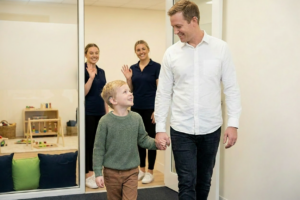
Smaller BCBA caseloads allow for more direct supervision, timely program adjustments, and individualized care, leading to better outcomes for children with autism.

Discrete Trial Training (DTT) is a proven, structured teaching method in ABA therapy that breaks complex skills into manageable steps, helping children with autism achieve measurable progress.

ABA centers in Alpharetta with smaller BCBA caseloads provide more individualized attention, allowing for faster progress and more tailored therapy plans.

The 7 dimensions of ABA provide a proven, structured framework that ensures autism therapy is meaningful, measurable, and tailored to each child’s real-life needs.

Center-based ABA therapy provides a structured, play-rich environment that helps children with autism master skills faster than in-home or other settings.

Have you ever wondered what drives your child to repeatedly arrange their building blocks in the same pattern during playtime, or why your child seems