

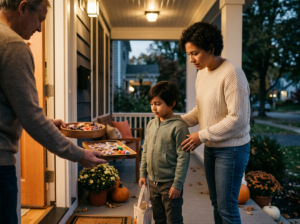
Autism-Inclusive Halloween Candy Distribution: Offer Choices
A successful Halloween fits your child, not a house count: use your home language and traditions, keep practice optional, and honor break or finish signals.

A successful Halloween fits your child, not a house count: use your home language and traditions, keep practice optional, and honor break or finish signals.
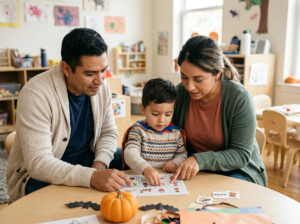
A successful Halloween party follows the child’s lead: watching, choosing their own play, or leaving early counts, and costumes or spoken greetings should never be required for treats.

A 2-year-old who is not talking may have a speech delay, but autism becomes more likely when limited speech shows up with differences in their eye contact, use of gestures, shared attention, and play.
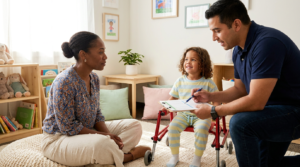
The DSM-5-TR does not diagnose autism from one trait alone; it looks for patterns in social communication, social interaction, and restricted interests/repetitive behaviors across time, settings, and daily life.

The right intake questions reveal whether a provider will build a personalized, play-based program around your child’s specific classroom goals, rather than a generic ABA plan.
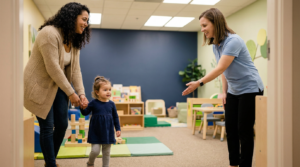
Safety in an ABA center shows up in everyday care: well-trained therapists, close Board Certified Behavior Analyst supervision, and stable teams make sessions more predictable, consistent, and secure for children.
Key Takeaways: Your insurance plan can still say “yes” to ABA therapy while quietly reducing the number of hours it approves. That gap is exactly
Most children benefit from 20 to 40 hours of ABA center therapy per week, but the optimal schedule is highly individualized based on age, goals, and family needs.

Smaller BCBA caseloads allow for more direct supervision, timely program adjustments, and individualized care, leading to better outcomes for children with autism.
Center-based ABA often accelerates social skill and structured learning, while in-home ABA excels at teaching daily living skills in the natural environment; a blended approach can combine the strengths of both.